
Arena di Verona
A Roman amphitheatre on Piazza Bra
Stone seating tiers surround an oval arena on Piazza Bra. The Roman amphitheatre is open for daytime visits and hosts an opera festival in summer.
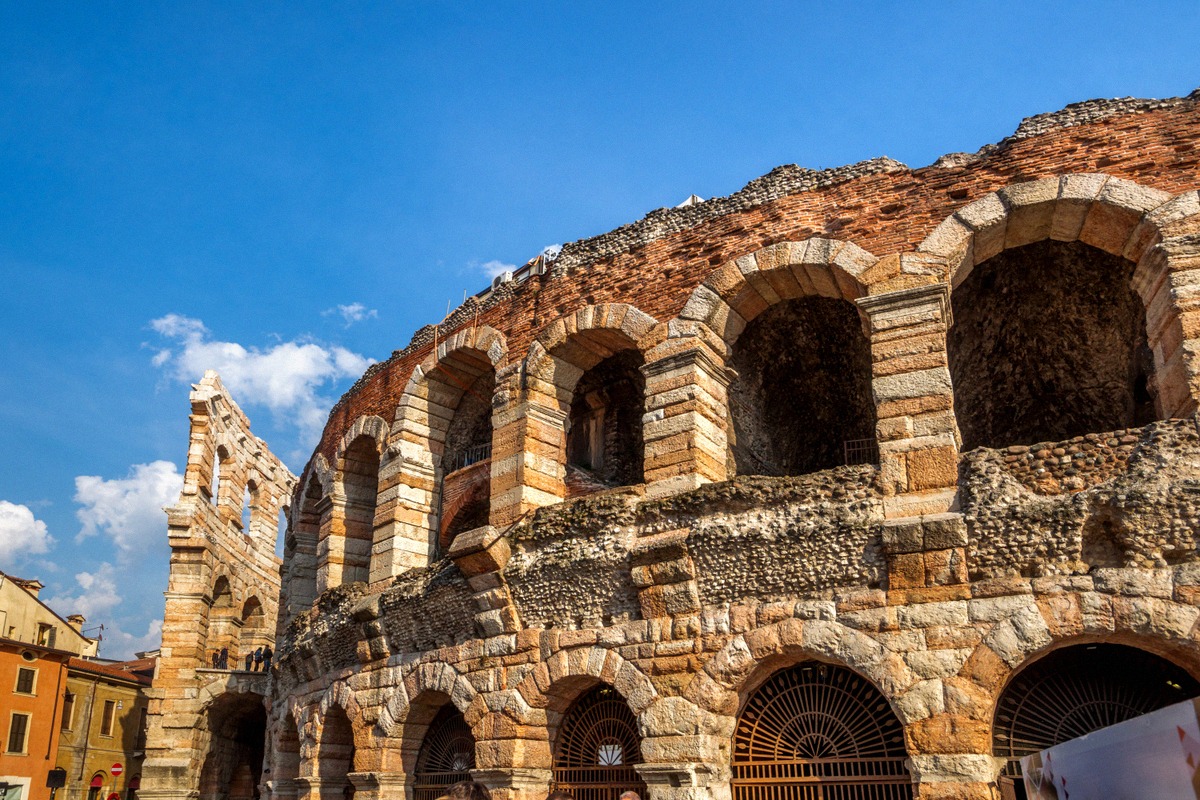
The surviving wing of the outer wall
The Romans built the amphitheatre in the 1st century, using limestone from nearby Valpolicella for its façade. Walking around the outside, you can see a section of wall rising well above the surrounding arches. Known in Verona as the Ala, or wing, this is a remnant of the original outer façade. Its arches stand in three tiers.
How spectators found their seats
Roman numerals are still visible above the entrances in the Ala. Ancient spectators, too, found their entrance by number. Inside, horizontal passageways divided the seating into several sections. The oval shape of the building is easier to appreciate from the tiers than from the piazza. Some of the steps seen today date from later restorations.
How opera came to the Arena
The year 1913 marked the centenary of Giuseppe Verdi’s birth. To celebrate, the Veronese tenor Giovanni Zenatello and theatre impresario Ottone Rovato brought Verdi’s Aida to the Arena. Their performance that August began the tradition of the summer opera festival.
Visiting the amphitheatre or attending a performance
To explore the architecture, book an amphitheatre visit through the civic museums. On event days, rehearsals and stage preparations may shorten visiting hours. For an opera performance, your seat determines which arch you enter through. Afterwards, Piazza delle Erbe is within walking distance of the Arena.
Frequently asked questions
How do I get from the Arena di Verona to Piazza delle Erbe? +
Nearby
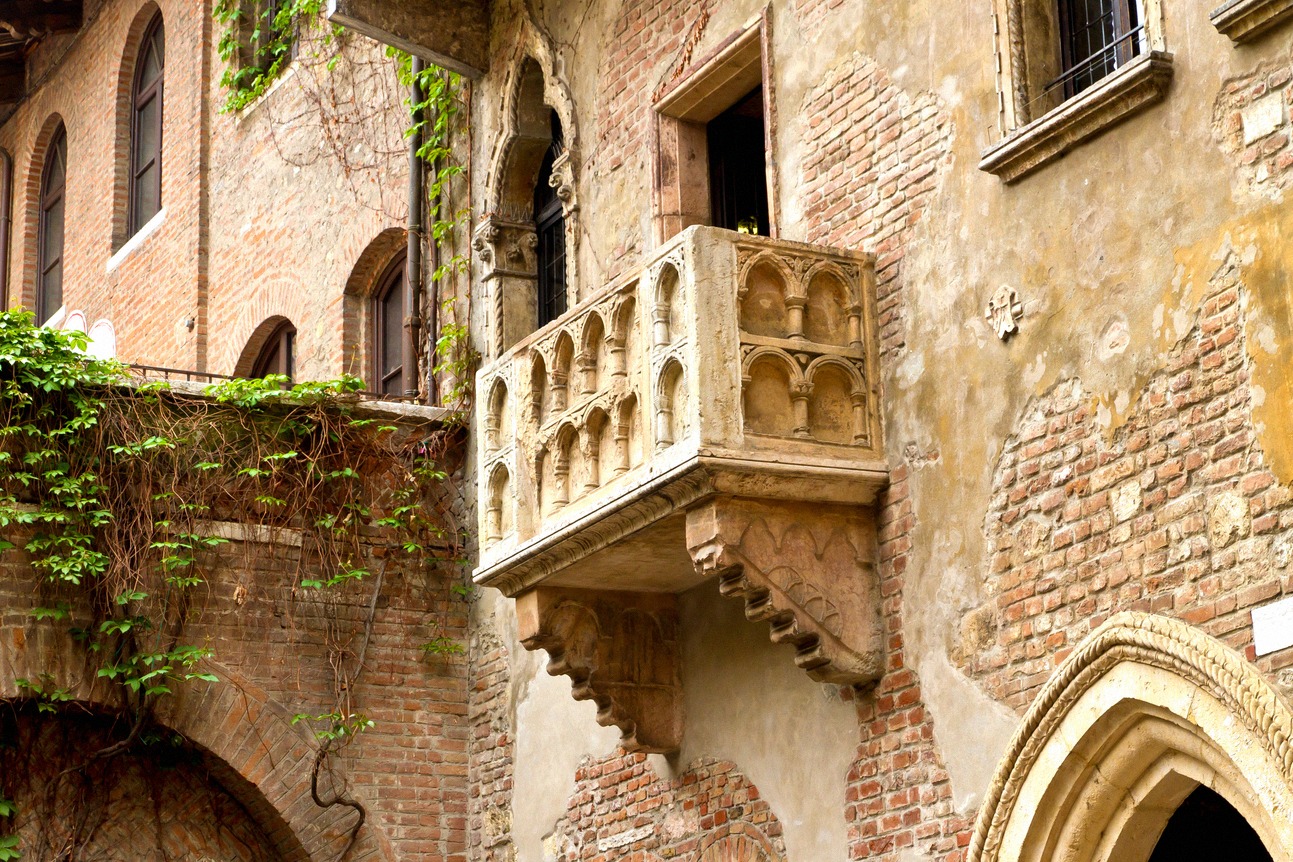
Casa di Giulietta
In a courtyard near Piazza delle Erbe stands the balcony Verona associates with Shakespeare’s Juliet. Visits begin at the Teatro Nuovo, with a choice of the courtyard alone or the courtyard and house.
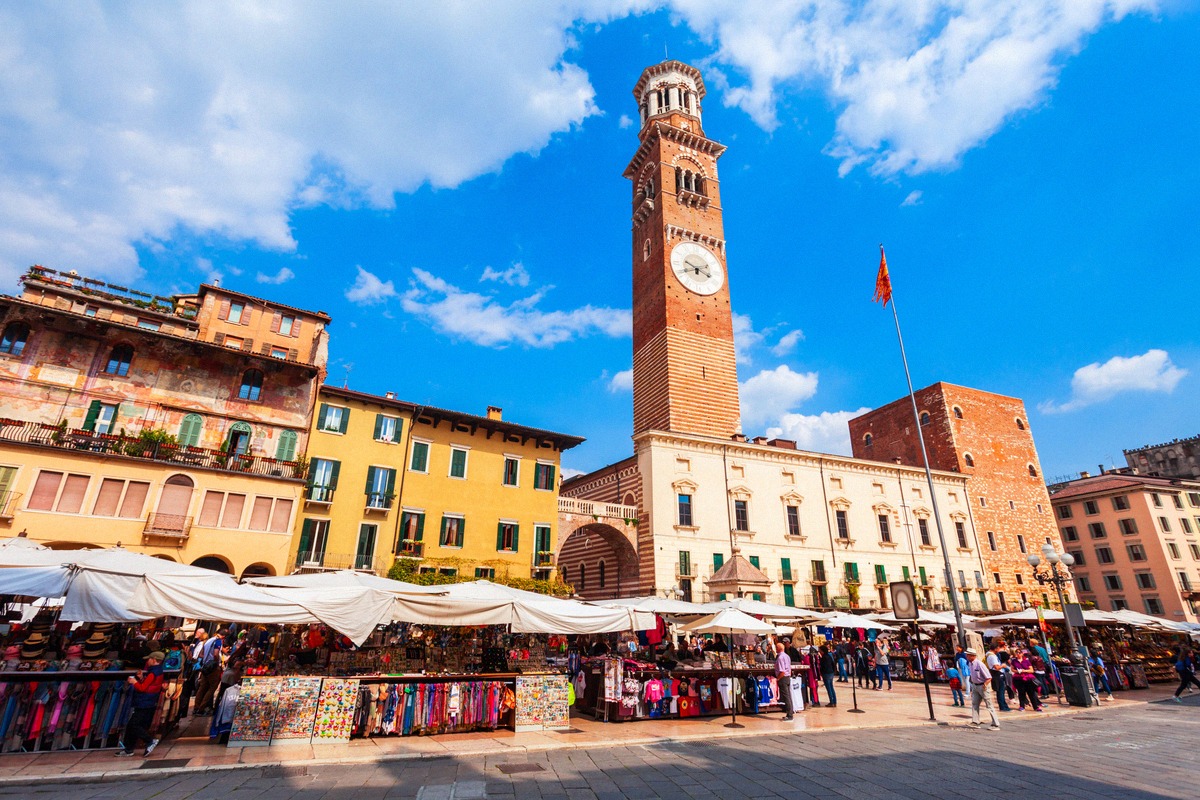
Piazza delle Erbe
Market stalls stand between a fountain and frescoed houses on the site of the Roman forum. The Torre dei Lamberti rises above the rooftops, and a passage leads to neighbouring Piazza dei Signori.
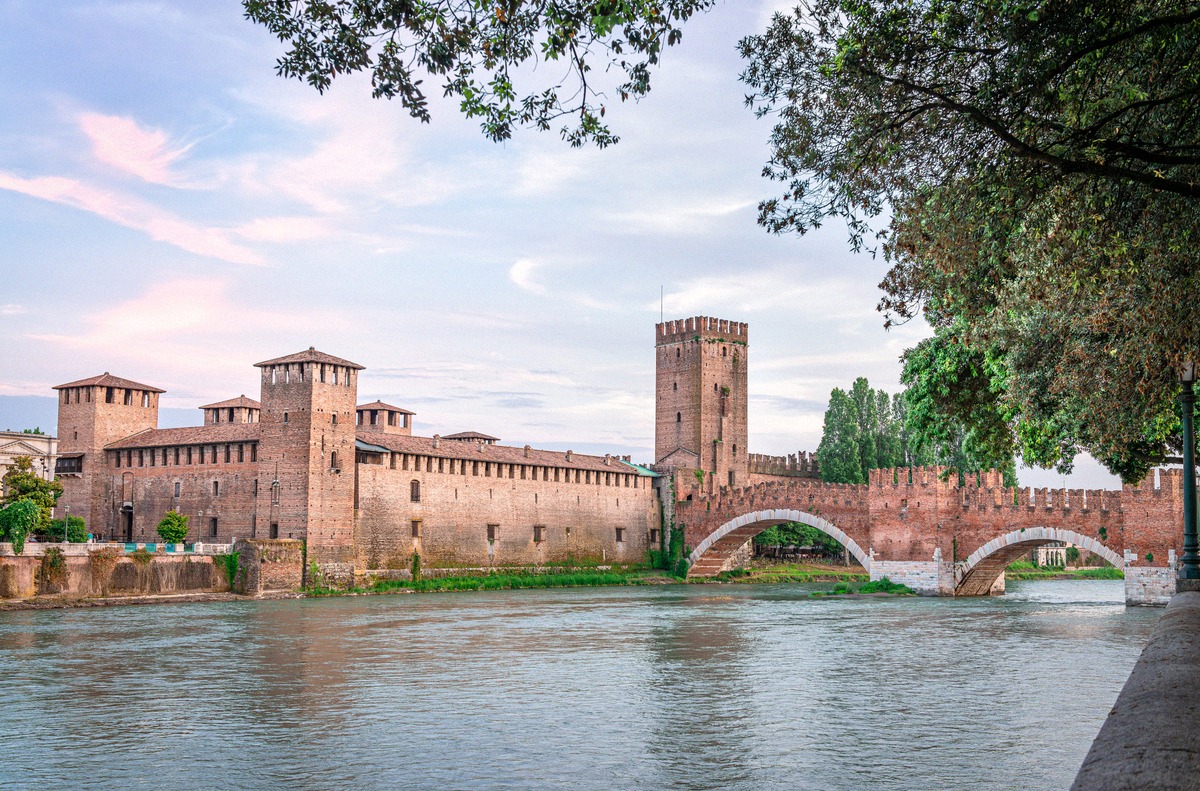
Museo di Castelvecchio
The red-brick castle beside the Adige houses Verona's collection of medieval sculpture and painting. Along the museum route, Cangrande della Scala appears on horseback on a projecting concrete plinth.
Ponte Scaligero
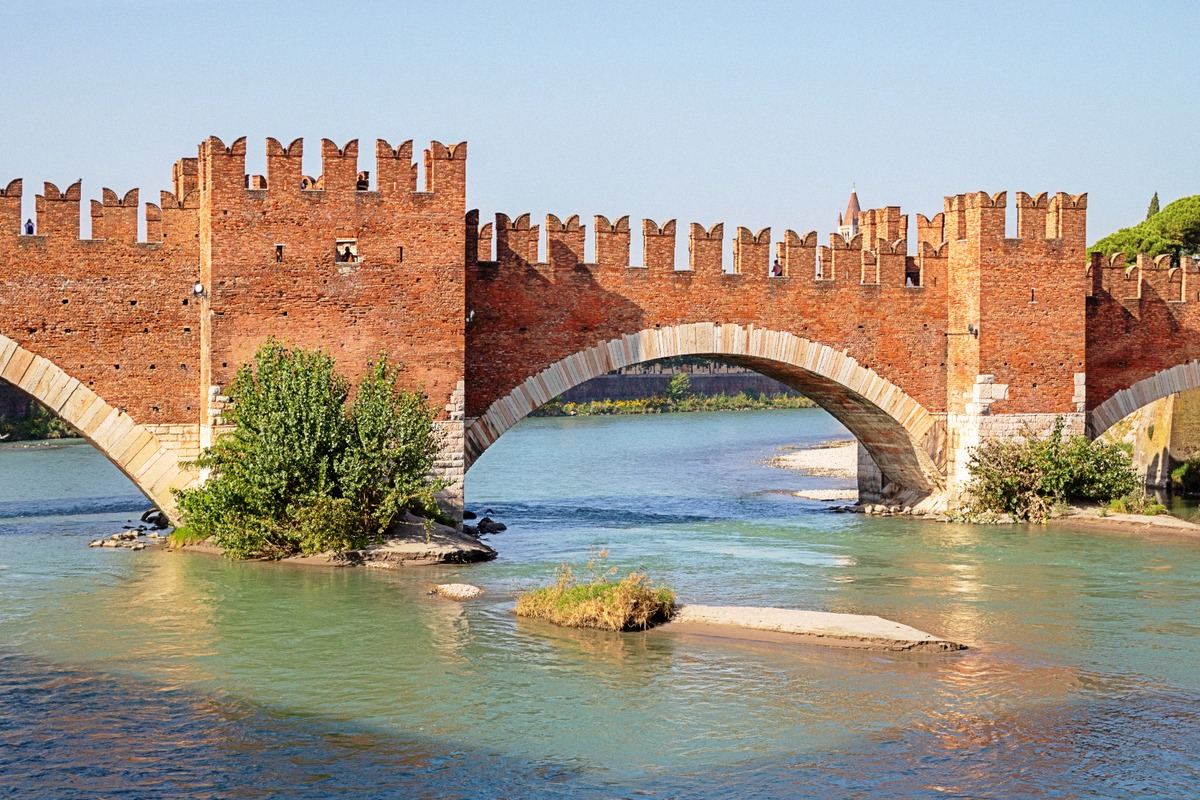
Castelvecchio's battlements continue across the Adige. Three arches of unequal span support Ponte Scaligero, linking the castle with the Arsenal on the opposite bank.